
Protect your workforce and critical infrastructure with NFPA-compliant detection and suppression systems. Engineered for zero-failure performance.
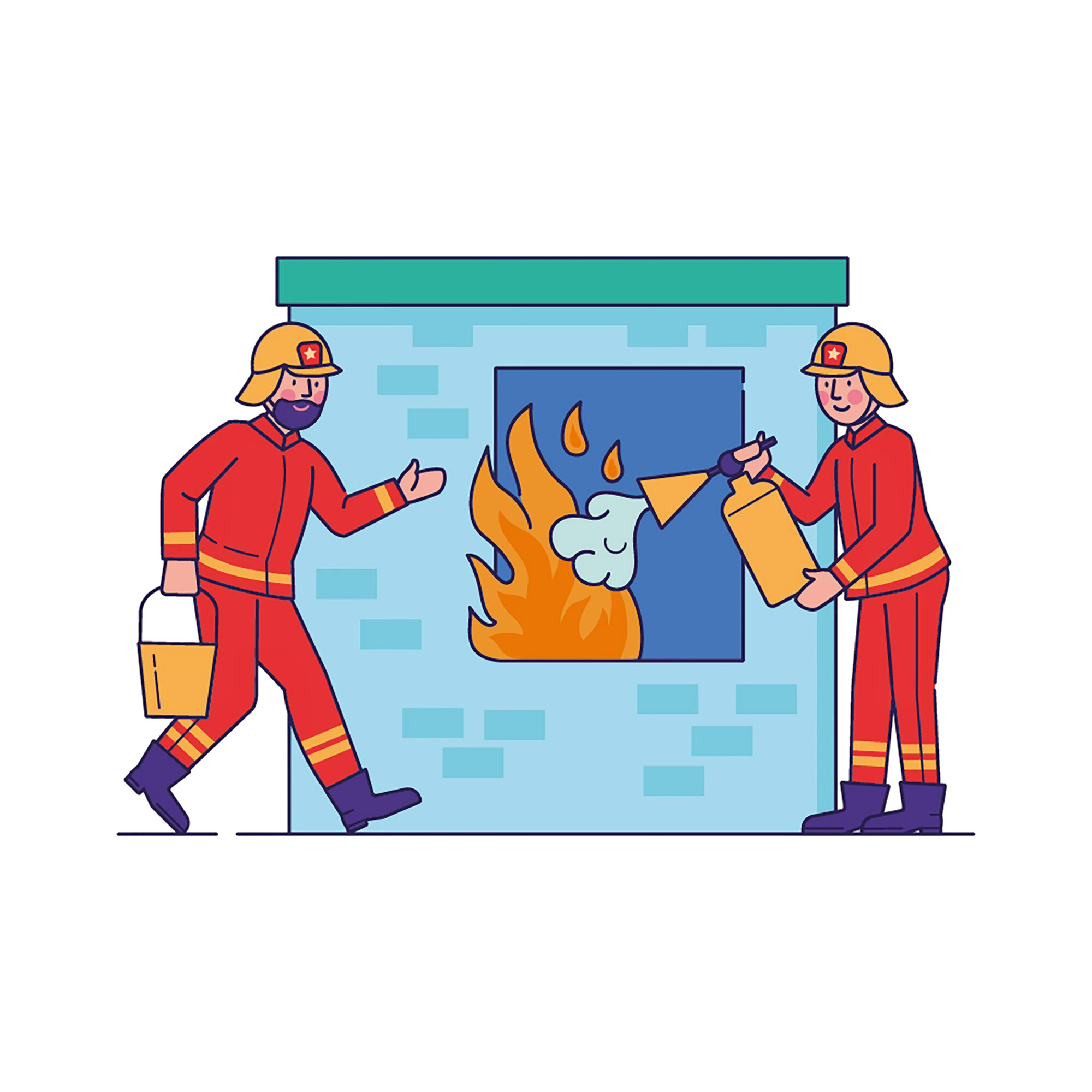
In the Pakistani industrial heartland, fire safety isn't just a requirement — it's the technical backbone of business continuity. Al-Musaab provides NFPA-compliant detection and suppression systems that protect your workforce and your digital infrastructure.
We serve as your technical partner in Karachi, Lahore, and beyond, ensuring that your fire safety protocols are as advanced as your networking logic. From data center gaseous suppression to refinery-grade hydrant networks, we deliver zero-downtime safety.
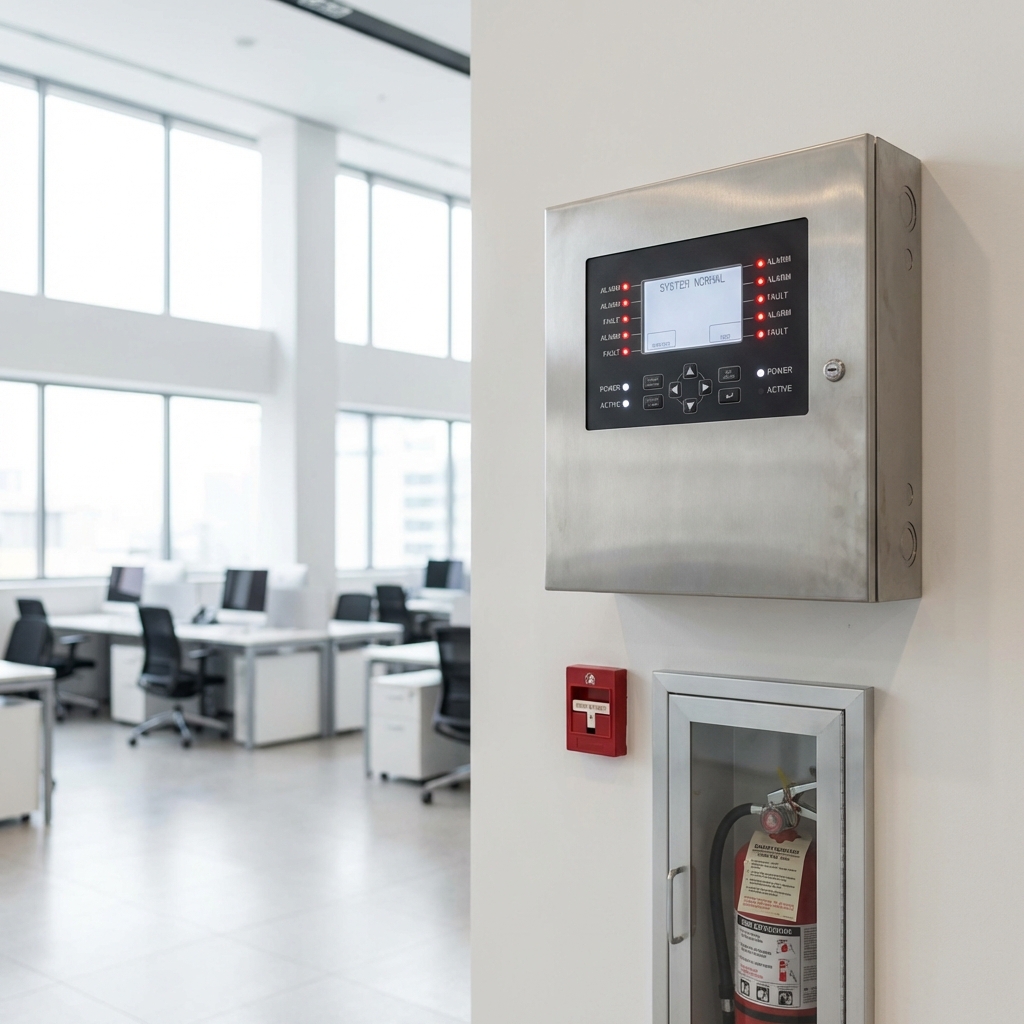
Different fires need different extinguishers. Using the wrong type can make things worse. We supply extinguishers for every fire class and train your staff on proper use.
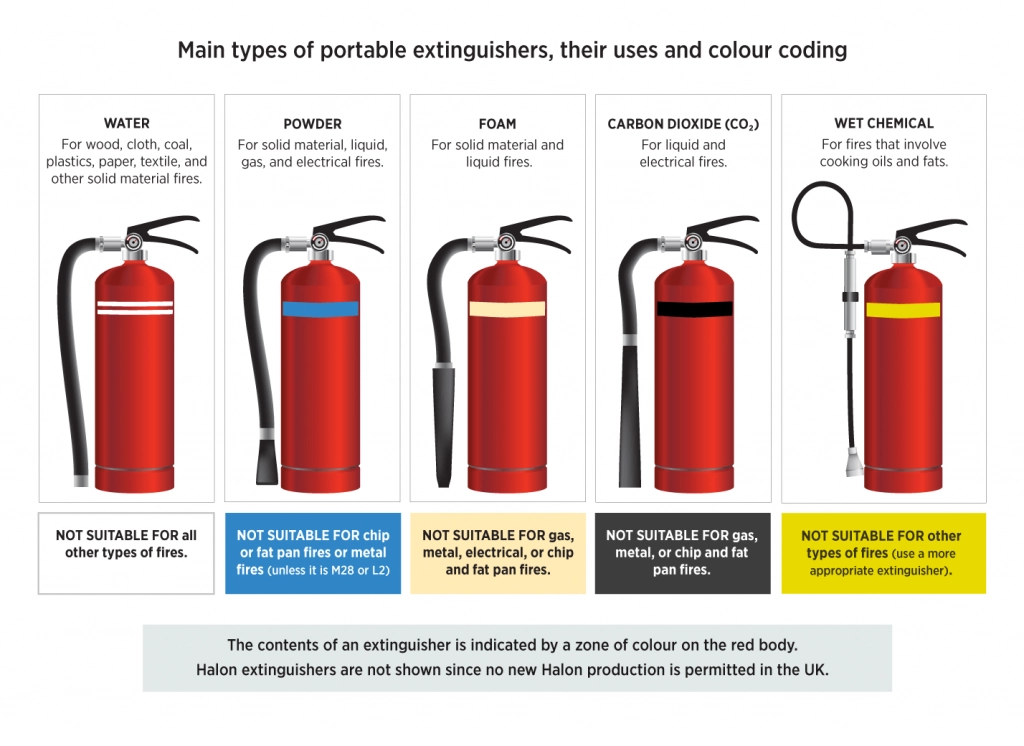
For electrical fires. Non-conductive and leaves no residue. Safe to use around computers, servers, electrical panels and generators.
Class B & C FiresDry Chemical Powder. The most versatile type. Works on wood, paper, flammable liquids, and electrical fires. Standard choice for offices and factories.
Class A, B & C FiresCreates a blanket over burning liquids to smother flames. Best for petrol stations, paint shops, and areas with flammable liquids.
Class A & B FiresSpecifically designed for kitchen fires involving cooking oils and fats. Cools and creates a soapy layer to prevent re-ignition.
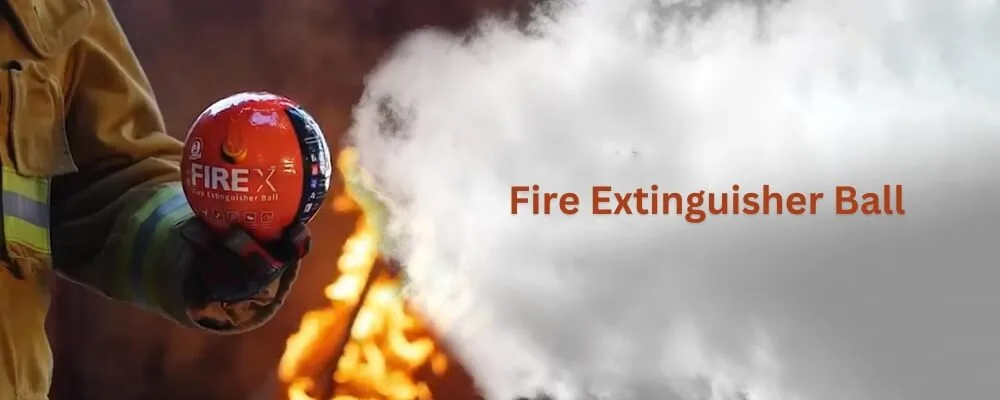
Class K (Kitchen) FiresThe Fire Ball is a self-activating fire extinguisher that requires no training to use. When it comes into contact with fire, it self-detonates within 3 to 5 seconds, releasing dry chemical powder to suppress the flames.
It's ideal for areas where fires might start when no one is around—electrical panels, storage rooms, server racks, or vehicle engine compartments. Just mount it or place it in a high-risk area. It does the rest automatically.
High-visibility warning light for emergency vehicles, factory floors, and evacuation routes. Available in red, amber, and blue.
Heat-resistant blanket for smothering small fires or wrapping around a person whose clothes have caught fire. Essential for kitchens and workshops.
For giving clear instructions during evacuations. Built-in siren and whistle functions. Works in large spaces like factories and warehouses.
Early detection saves lives. A good alarm system gives people time to evacuate and firefighters time to respond before the fire spreads. We supply and install both conventional and addressable systems.
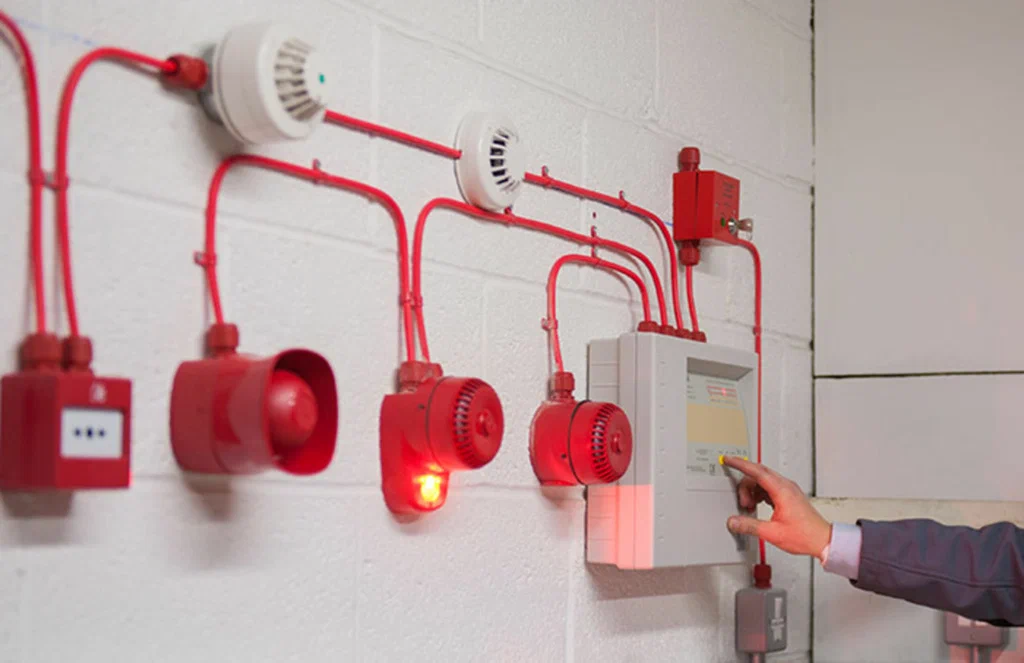
Photoelectric and ionization types available. Photoelectric detectors are better for slow, smoldering fires. Ionization detectors respond faster to fast-flaming fires. We help you choose based on your environment.
Conventional & Addressable Options
For kitchens, garages, and dusty environments where smoke detectors would give false alarms. Triggers when temperature rises above a set point or rises too quickly.
Fixed Temperature & Rate-of-Rise
The brain of your fire alarm system. Receives signals from detectors and triggers alarms, sprinklers, and notifications. Addressable panels show exactly which detector triggered.
2-Zone to 32-Zone Systems
Break-glass units installed at exits and along escape routes. Allows anyone to manually trigger the alarm if they spot a fire. Required by building codes at specific intervals.
Loud sirens and flashing lights to alert everyone in the building. We calculate the right number and placement to ensure the alarm is heard everywhere, including noisy factory floors.
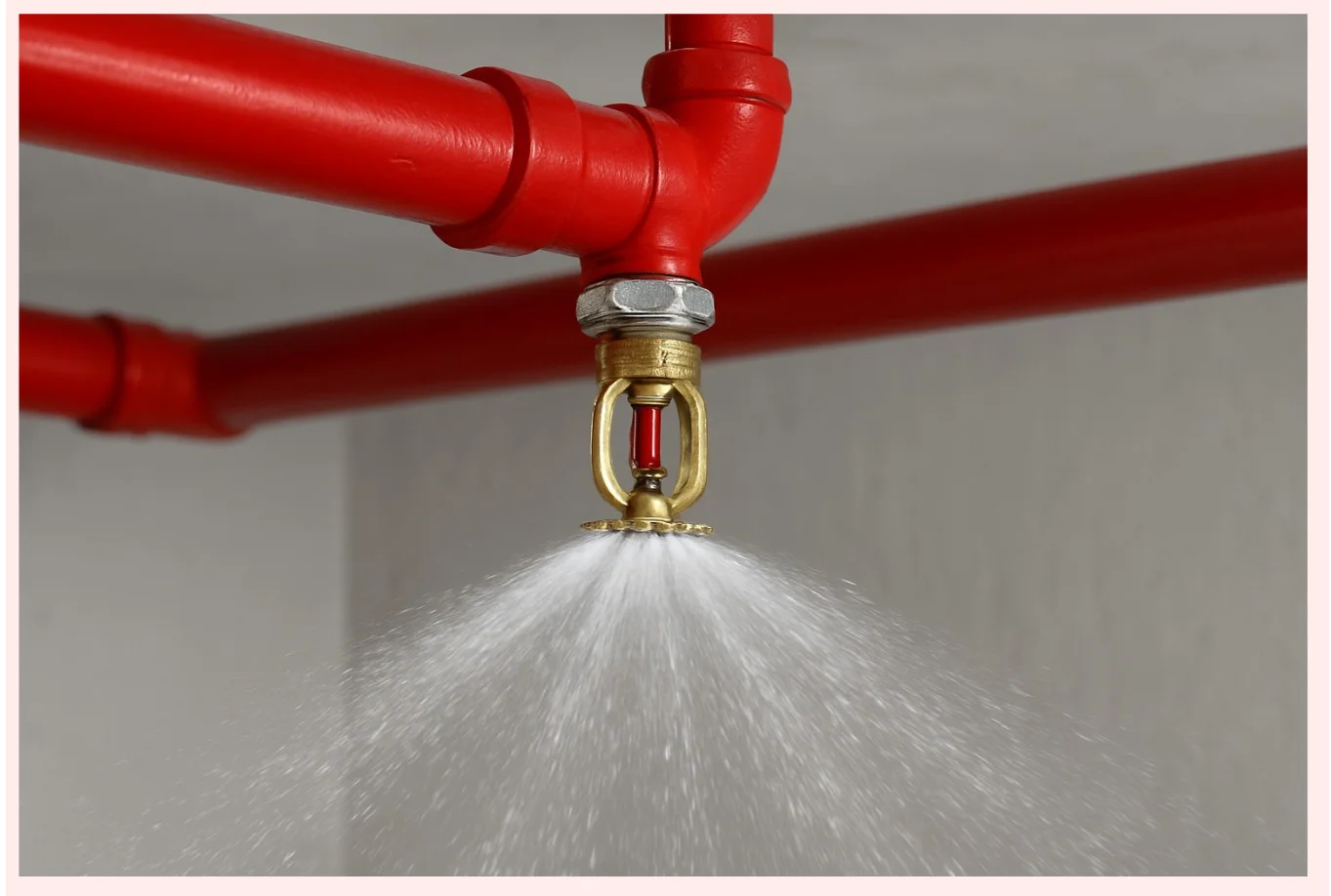
Sprinklers are the most effective automatic fire suppression method. Each sprinkler head contains a heat-sensitive element that breaks at a specific temperature, releasing water directly over the fire. Only the sprinklers near the fire activate—not the whole building.
Water sprays upward and deflects down. For areas with exposed piping like warehouses.
Hangs down from ceiling. Most common in offices and commercial buildings with concealed piping.
Mounts on wall instead of ceiling. Good for corridors and rooms where ceiling access is difficult.
For large buildings and industrial sites, a hydrant system provides high-pressure water supply for firefighting. Includes internal hydrants (hose reels inside the building) and external hydrants for fire brigade use.
Wall-mounted reel with 30m hose. For first-response firefighting by building occupants. Easy to use—just pull and turn on.
High-flow water cannon for industrial fires. Can be mounted on roofs or vehicles. Adjustable nozzle for different spray patterns.
Diesel or electric pumps to maintain water pressure. Essential when city water pressure isn't enough for upper floors or large areas.

Water alone doesn't work on oil, petrol, or chemical fires—it can actually spread the fire. Foam creates a blanket that smothers the flames, cools the fuel, and prevents re-ignition.
We supply AFFF (Aqueous Film Forming Foam) concentrate and the equipment to apply it. Essential for fuel storage areas, chemical plants, airports, and any facility handling flammable liquids.
3% and 6% concentrates available. Mixed with water through proportioning equipment to create firefighting foam. Effective on Class A and B fires.
Produces massive volumes of foam to flood enclosed spaces. Used in aircraft hangars, ship holds, and large storage areas. The foam fills the space, cutting off oxygen and suppressing fire.
Portable unit on wheels with foam tank, proportioner, and hose. Can be moved to where it's needed. Ideal for oil terminals, paint shops, boiler rooms, and petroleum tank farms.
Fixed or portable devices for directing foam onto fires from a safe distance. Different nozzle types for different foam expansion ratios and throw distances.
For fire marshals, emergency response teams, and anyone who might need to enter or escape a fire situation. Proper PPE can mean the difference between life and death.
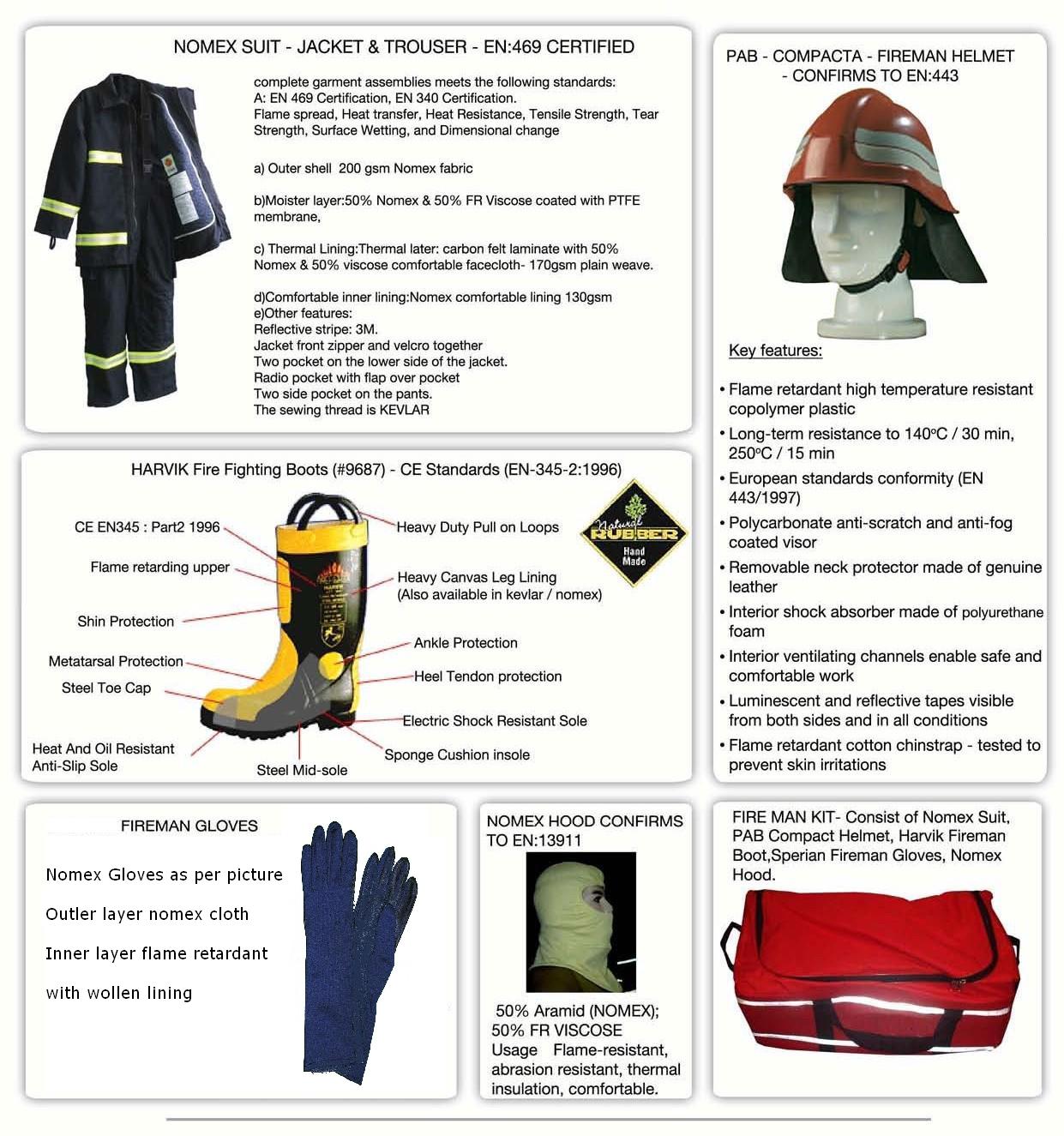
Full-body suit with heat-reflective aluminum coating. Protects against radiant heat up to 1000°C.
Full-face mask with filters for smoke and toxic gases. Multi-hazard protection.
Heat-resistant hood and face shield for impact and heat protection.
Steel-toe boots with heat-resistant, slip-resistant soles.
We also supply Smoke Escape Hoods—compact, disposable masks that give 15-30 minutes of protection for building occupants to evacuate through smoke.
"Equipment is useless if your staff doesn't know how to use it—or panics when they need to."
Hands-on practice with live fire. Learn the PASS technique.
Plan and practice evacuation routes. Assign fire wardens.
Advanced training for designated staff and coordination.
Get a free site assessment and quotation. We deliver across Pakistan.